Pasacao, Camarines Sur Etymology

For long, the place was known among the soldiers as Pasa-pasa ikaw until it was shortened to a more convenient Pasacao. The town's name was also said to have been derived from “Pasok kayo”. This came from a native as an answer to a Spanish soldier's query about the name of the place. Misunderstanding clouded the native’s remark when he meant to say that the soldier came up or came in.
In a similar story to the first story, Pasacao came from “Pasa ikaw”. Some Spanish settlers, while walking along the shore, met a native. The settlers asked the native to pass on by saying “Pasa”. The native, on the other hand, wanted the Spaniards to go first by saying “ikaw”. Through convenient usage, it became Pasacao. Still another story gives credence to the word “Pasangkay” as the origin of the town’s name. The travelers and traders often used it en route to Manila to ask the owners of the sailboats along the shore of the village to let them ride. Pasangkay means the request of the people to get into the boat to travel. From the above-mentioned stories, the name of the town of Pasacao must have been derived from them. The Filipino-American or Spanish law recognizes the legal existence of Pasacao beliefs. Church records, however, say that the founding of the church was in 1885.
Church in town: 𝐒𝐭. 𝐑𝐨𝐬𝐞 𝐨𝐟 𝐋𝐢𝐦𝐚 𝐏𝐚𝐫𝐢𝐬𝐡 𝐂𝐡𝐮𝐫𝐜𝐡 - 𝐒𝐚𝐧𝐭𝐚 𝐑𝐨𝐬𝐚 𝐝𝐞𝐥 𝐒𝐮𝐫, 𝐏𝐚𝐬𝐚𝐜𝐚𝐨, 𝐂𝐚𝐦𝐚𝐫𝐢𝐧𝐞𝐬 𝐒𝐮𝐫 (𝐃𝐢𝐨𝐜𝐞𝐬𝐞 𝐨𝐟 𝐋𝐢𝐛𝐦𝐚𝐧𝐚𝐧)

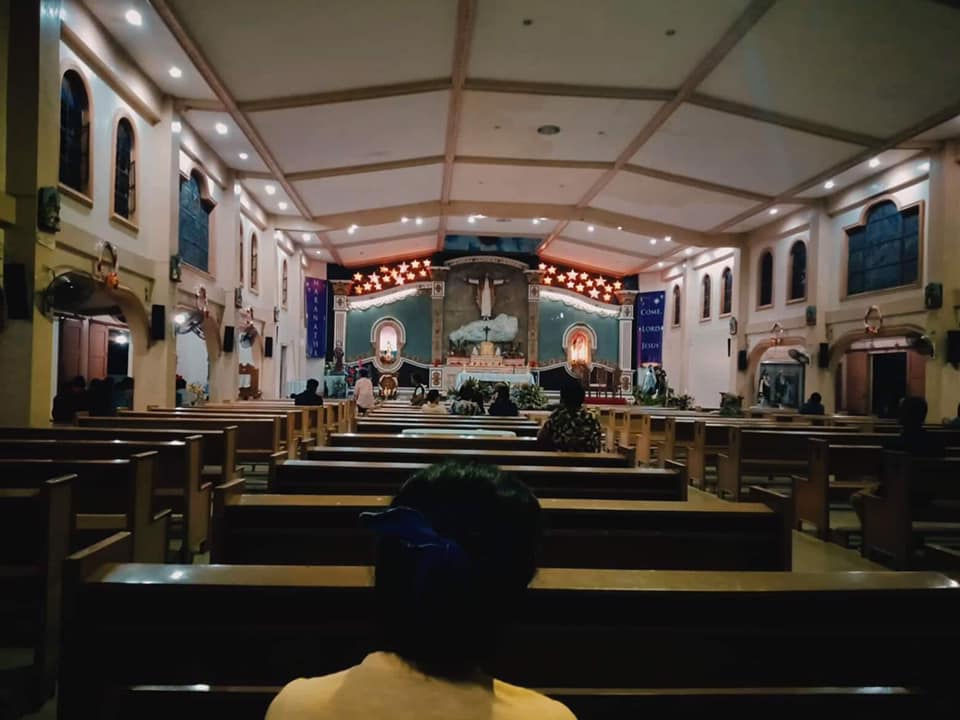
The name of the town is believed to be derived from pasa ikaw, meaning pass it on. It may be based on its maritime importance as a seaport and the command issued by the port officers to disembarking passengers and owners of cargoes. An alternative theory suggested that it came from a species of fish called pasa-pasa.
Because it faces the open seas of the Ragay Gulf, the settlement was frequently attacked by Moro raiders, and so it was sparsely populated throughout much of the colonial period. The most noteworthy of which was an assault on October 4, 1779, at Caranan. Defenses were put up through the leadership of Jacinto Rodriguez Morales. In 1848, fortifications were erected along with the edifices in Cabusao, Libon, and Donsol.
It was established as a visita during Spanish times as a gateway through the sea to the inland province, and thus it saw significant movement of goods and people. A shipyard was also built in Dalupaon in the 17th century. There, galleons were built that participated in the Manila-Alcapulco Galleon Trade as well as in the fight against Dutch invaders.
The Pueblo de Pasacao of Ambos Camarines was established in 1872. The church, meanwhile, was erected in 1885 through a decree by Most Reverend Casimiro Herrero, OSA, the Bishop of Caceres.
The portico of the church extends over the threshold of the church. It supports are fluted columns with Tuscan capitals. Above the facade is a blind rose window enclosed in an arch and rows of narrow pilasters. At the top of the pediment is a cross. The bell tower is built on the epistle side and bears the image of the patroness.
The feast of St. Rose of Lima is May 30.
Source: https://www.theoldchurches.com/philippines/camarines-sur/pasacao/st-rose-of-lima-church-pasacao/
𝐍𝐨𝐭𝐚𝐛𝐥𝐞 𝐏𝐚𝐬𝐚𝐜𝐚𝐨 𝐡𝐢𝐬𝐭𝐨𝐫𝐲
It has a rich history dating back to the Spanish colonial era. During the late 16th century, Pasacao served as a vital port for the Bicol Region, facilitating trade and exploration. It became a strategic defense port against Moro pirate raids from 1585 to the 19th century.
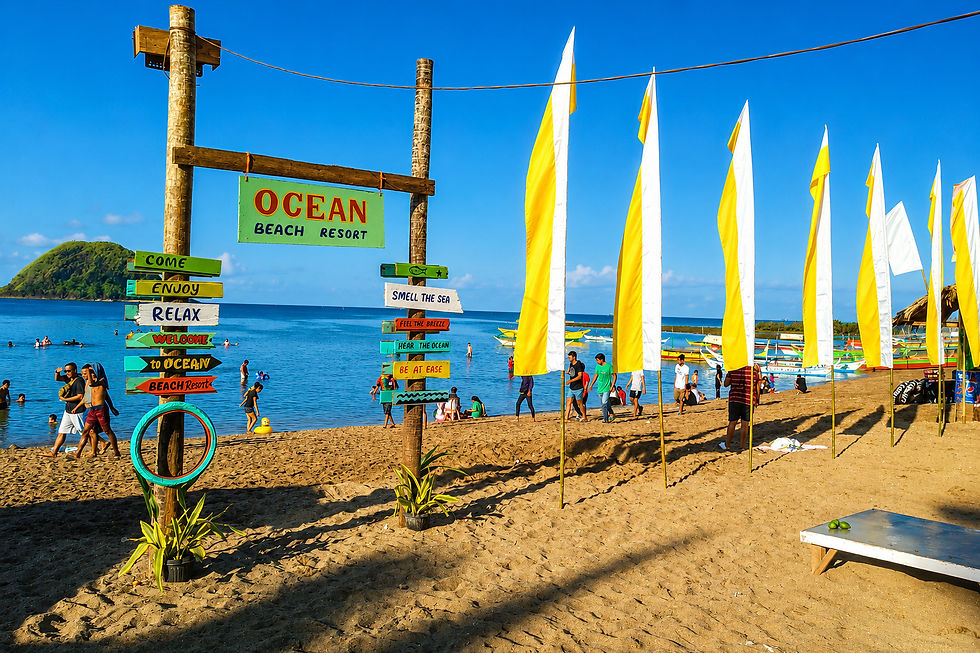
𝐏𝐥𝐚𝐜𝐞𝐬 𝐭𝐨 𝐬𝐞𝐞 𝐢𝐧 𝐏𝐚𝐬𝐚𝐜𝐚𝐨:
- St Rose of Lima Parish Church
- Caranan River Estuary
- Isla Del Carmen Beach
- Villa Merced Farm Beach
- Pasacao Beach
- Summer Ocean Beach
- Daruanak Island
- Surfer's Paradise Beach Resort
- Titis Beach Resort
- Stampa Beach
- Sea N Sand Beach Resort
- La Casa Cove Beach Resort
- Owaia Coast Beach Resort
𝐅𝐚𝐦𝐨𝐮𝐬 𝐧𝐚𝐭𝐢𝐨𝐧𝐚𝐥 𝐡𝐞𝐫𝐨𝐞𝐬 𝐛𝐨𝐫𝐧 𝐢𝐧 𝐏𝐚𝐬𝐚𝐜𝐚𝐨:
- Tomas Boniceli Karingal (was a Filipino soldier, war hero, and police general who became one of the leading commanders of the Philippine Constabulary (PC) in Metro Manila and Chief of the Quezon City Police Department during the martial law regime of President Ferdinand Marcos. He was assassinated in 1984 by the Alex Boncayao Brigade, then the urban-assassination unit of the communist New People's Army.)
𝐏𝐢𝐧𝐨𝐲 𝐜𝐞𝐥𝐞𝐛𝐫𝐢𝐭𝐢𝐞𝐬, 𝐤𝐧𝐨𝐰𝐧 𝐩𝐞𝐫𝐬𝐨𝐧𝐚𝐥𝐢𝐭𝐢𝐞𝐬 𝐢𝐧 𝐏𝐚𝐬𝐚𝐜𝐚𝐨:
- None in the list


Comments